 Camp Verde AZ Experts Plumbers
Water Filtration Systems and Softeners in Camp Verde: Install, RO and Service
Call about a softener or filter and the dispatcher asks what the water is doing: spotting dishes, scale on fixtures, a bad taste or a system that stopped working. A plumber then looks at what is already installed and tests the water if needed. The visit ends with a clear plan, a repair, a new system or no change.
Call now, 24/7 See all 15 services
- Licensed and insured plumbers
- Same-day service when available
- 24/7 emergency dispatch
Hard water signs, testing and what the local numbers say
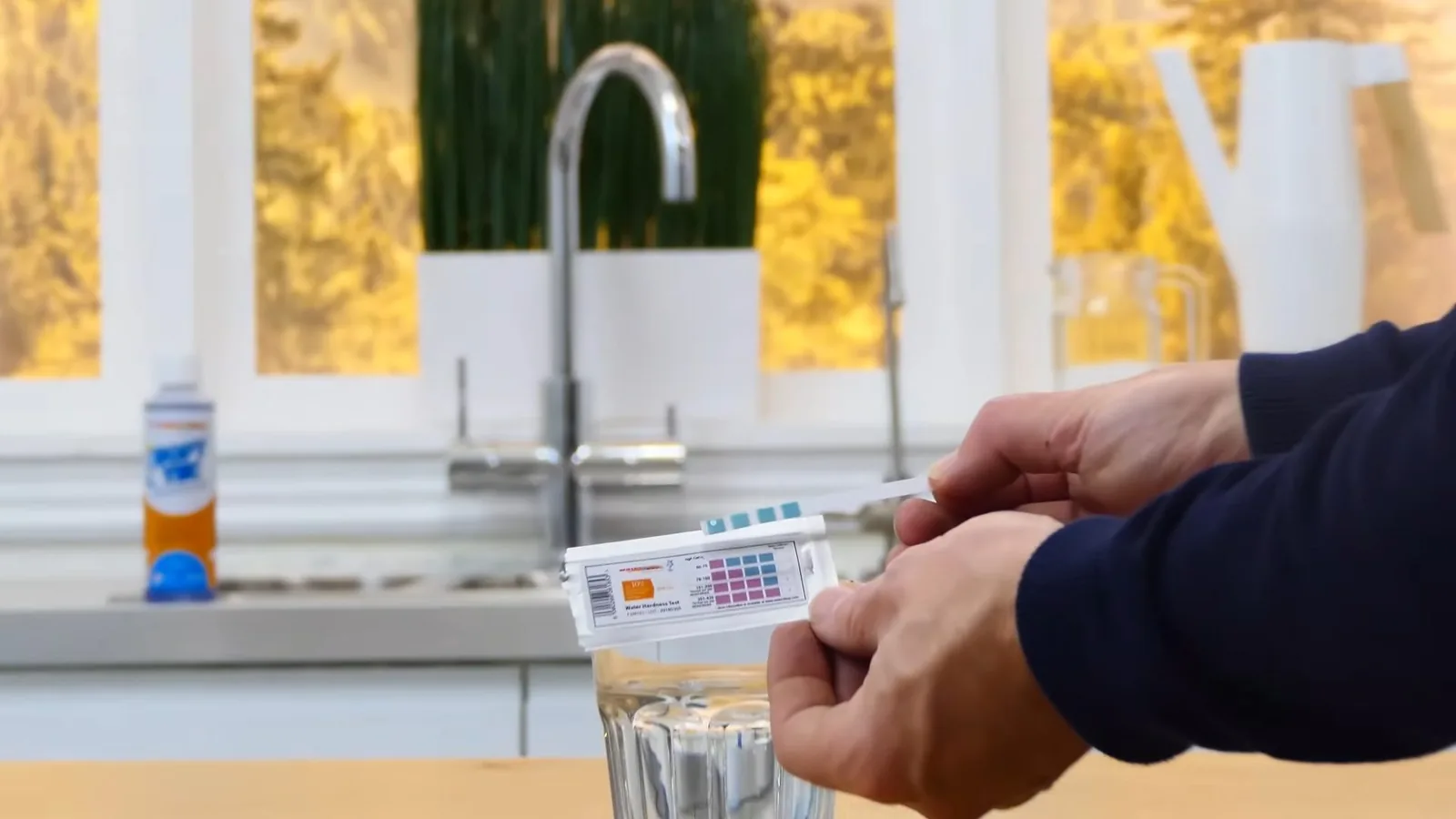
Hard water carries dissolved calcium and magnesium. Those minerals leave white scale on faucets and showerheads, spot glassware, make soap harder to lather and build up inside a water heater. Whether it is worth treating depends on how hard your water is and how much the scale bothers you.
The Town of Camp Verde Water Division draws only on groundwater, and its water quality report describes the water as moderately hard, averaging 75 to 130 ppm. Expressed in grains per gallon, that range runs from about 4.3 up to 7.6. The figures cover Town customers only.
Not everyone is a Town customer. Other addresses are served by Camp Verde Water Company or by Verde Lakes Water Company, and some use private wells, as the Town's own form shows. Ask your supplier for its hardness number, and test a private well before buying any equipment.
Water softeners: what they do and how they run
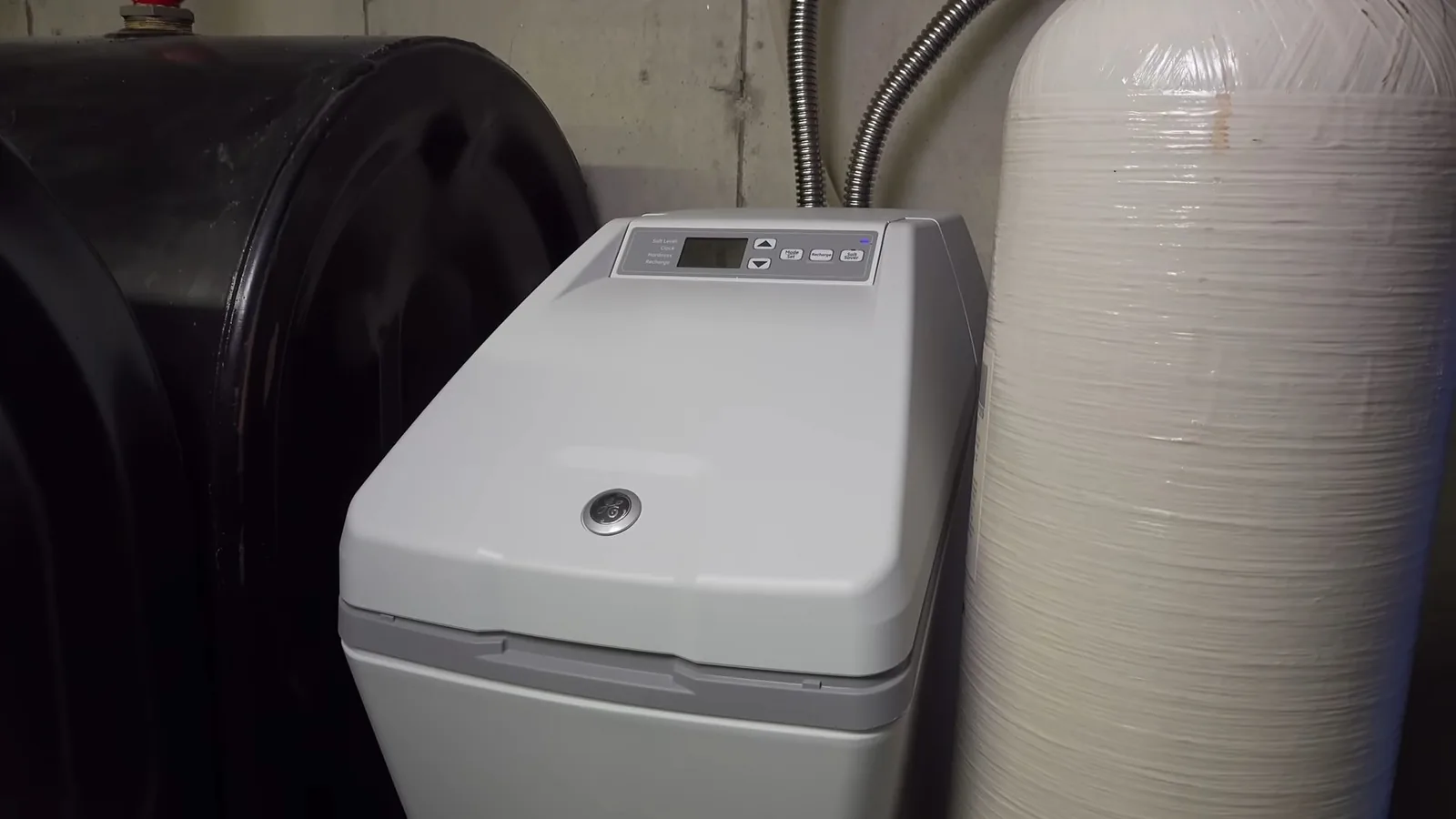
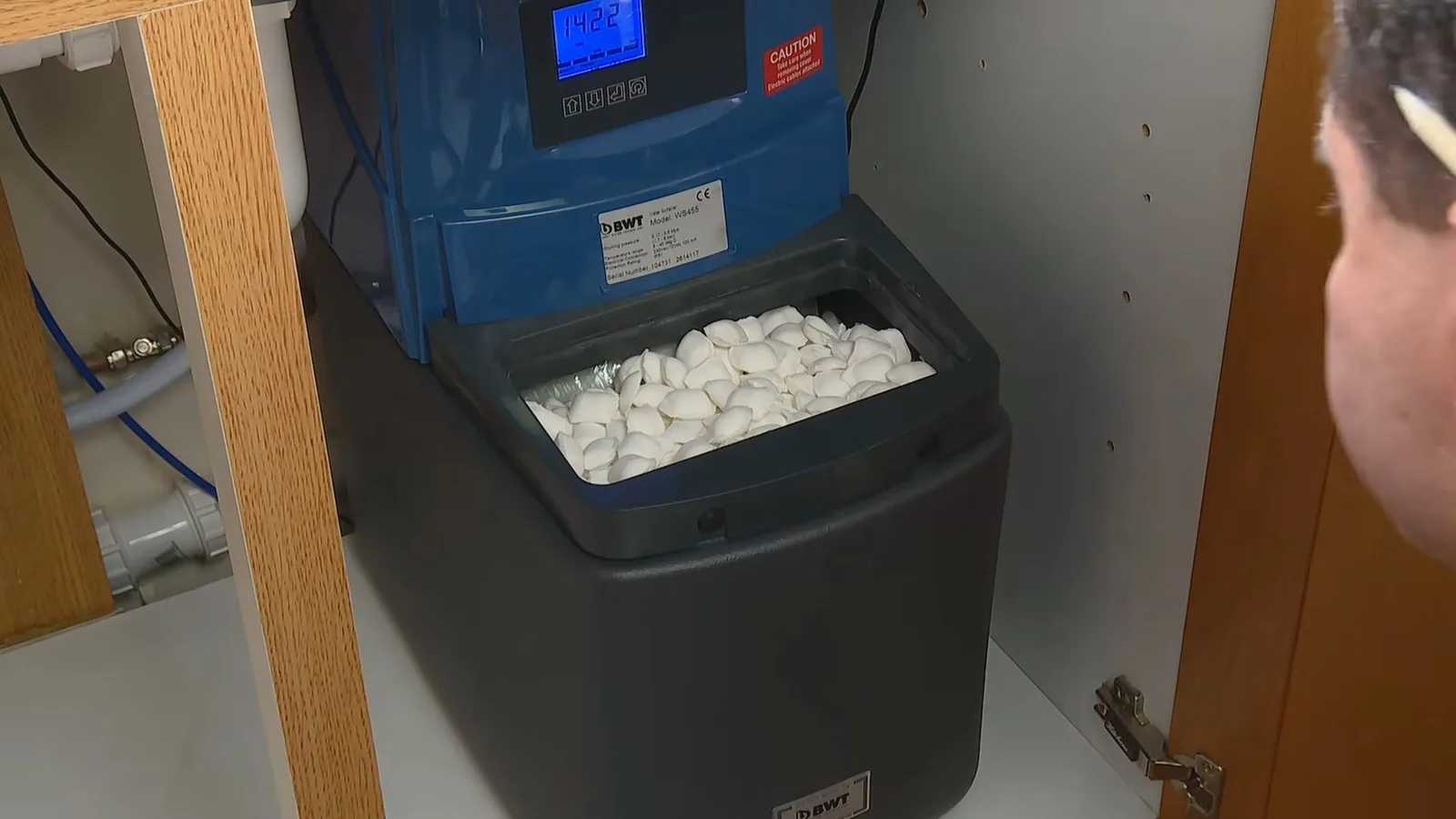
A softener swaps the hardness minerals for sodium or potassium as water passes through a tank of resin beads. When the resin is full, the unit regenerates: it flushes the resin with brine from a salt tank, rinses and starts again. That cycle is why a softener needs salt, a drain connection and an outlet.
Plumbers also talk about conditioners, a broad word for treatment equipment that changes how water behaves. Some systems soften, some filter and some only reduce scale, so ask what a specific unit actually does before comparing prices.
A softener treats the water for the whole house, which can ease scale on a heater. Whole-home treatment also cuts the spotting left on shower glass and tile. The how scale shows up in a tank is explained on the repair page.
Installing a water softener
An installation needs a spot on the supply line after the main shutoff, a drain for regeneration water, a power outlet and room for a salt tank. The plumber puts in a bypass valve so the house can run on untreated water during service, and keeps outdoor spigots on raw water if you want them that way.
- Location: near where the main line enters the house, with space to add salt.
- Drain: a standpipe or floor drain that can take the discharge.
- Bypass: a valve set that lets water skip the unit.
- Settings: hardness and household size, programmed at the control head.
Bring the hardness number from your supplier or a test. Without it, the unit is set from a guess.
Spots, scale or a quiet softener?
Tell dispatch what the water is doing and what equipment is installed.
Softener repair and service
Problems fall into a few groups. A tank with no salt or a salt bridge, a hard crust that stops salt from dissolving, leaves the resin unregenerated and the water hard again. A stuck or leaking control valve, a clogged injector or a bad drain line can cause the same result. Callers sometimes ask for a valve replacement or a full reinstall when a unit is moved. Have the model name from the control head and the install date if you know it; both save a trip when a valve or a resin bed has to be ordered.
The plumber checks salt, settings and the drain, tests the water on both sides of the unit and then looks at the valve and resin. If the unit is old, ask for a repair-or-replace comparison before parts are ordered.
Reverse osmosis and under-sink drinking water filters
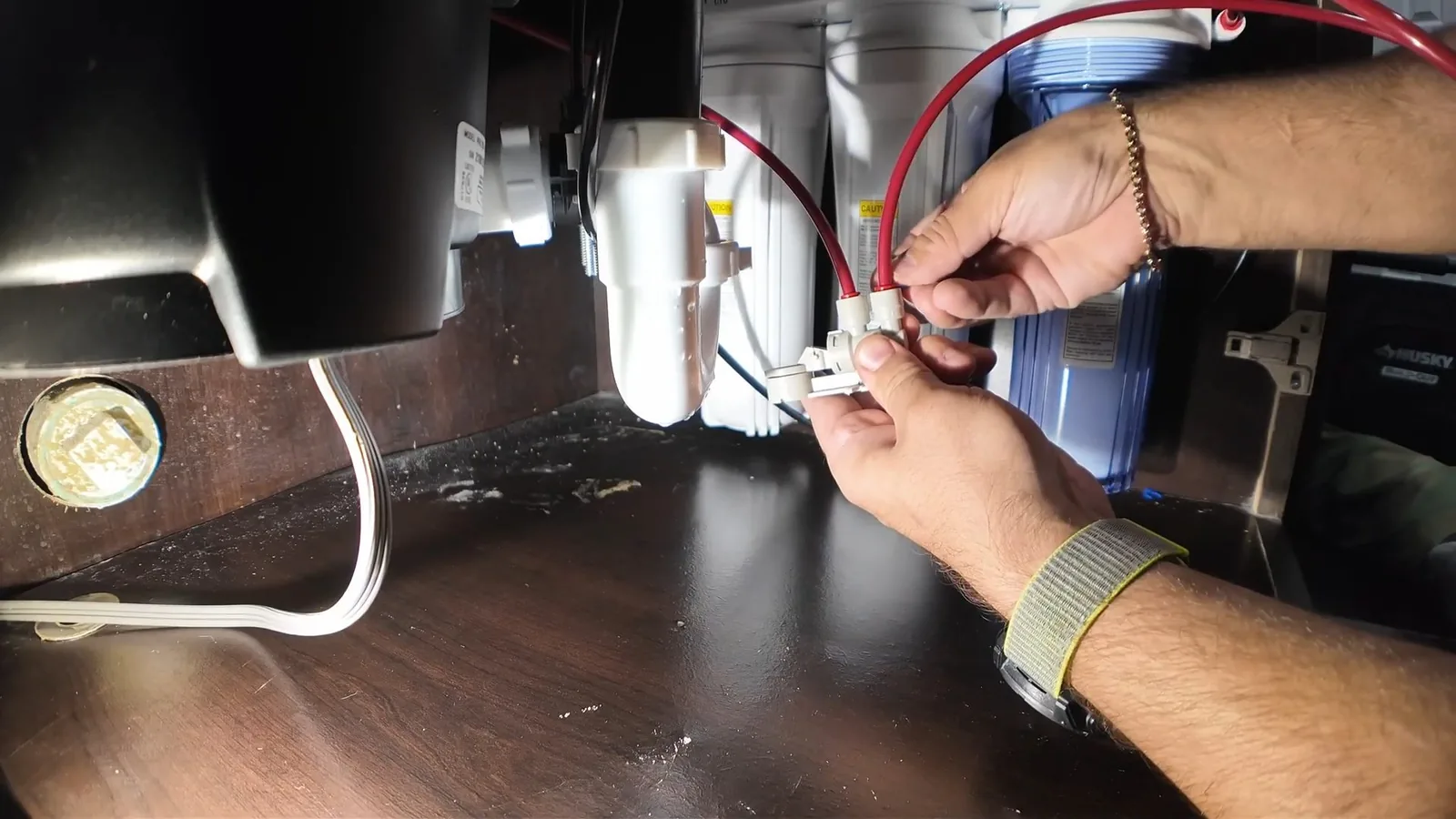
Reverse osmosis pushes water through a membrane to reduce dissolved solids, and it is normally installed under one sink with a small dedicated faucet. A simpler under-sink filter, such as a sediment or carbon cartridge, targets particles, taste and odor rather than dissolved minerals. The membrane and the pre-filters wear out at different rates, so ask for a replacement schedule for each part, not one number for the whole system. An RO unit also sends rejected water to the drain, so the installer needs a drain connection near the sink.
These systems treat only the water at the tap. Cartridges and membranes need regular changes, and the plumber can tell you the schedule for the model installed. If your goal is better drinking water without treating the whole house, an under-sink unit is the narrower choice.
Planning a filter or softener
Share your supplier or well details and the hardness number if you have one.
Whole-house filtration
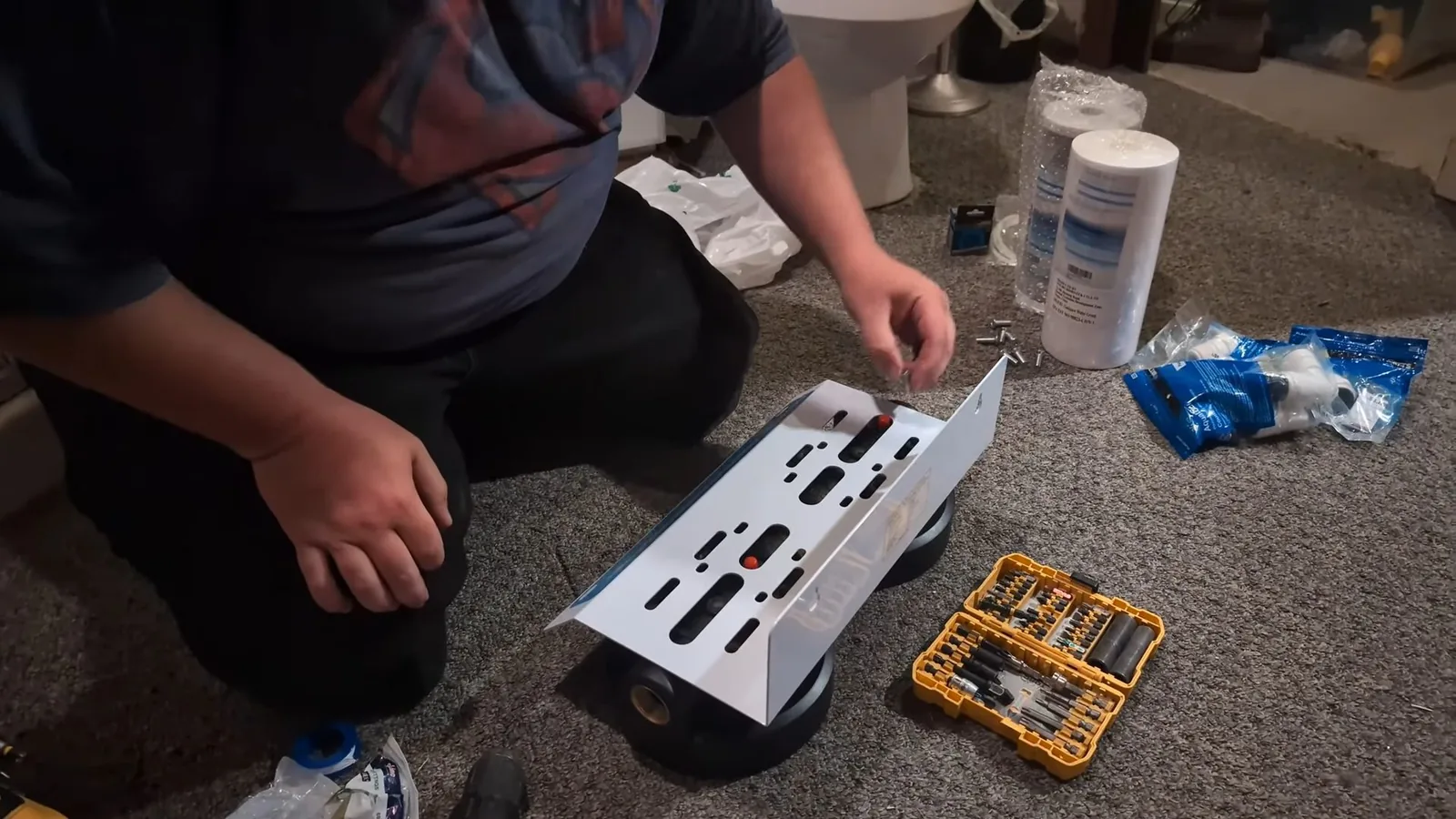
A whole-house filter goes on the main line and treats every tap. Sediment filters catch sand and rust flakes, carbon filters reduce chlorine taste and odor, and combinations pair a filter with a softener. Which one fits depends on what is in your water, which a test shows. Housings come in clear and opaque versions, and a clear one in a sunny spot can grow algae, so placement is part of the plan. Ask the installer where the shutoff valves and the bypass go, so changing a cartridge never means shutting off water to the whole house for long.
Well owners in particular should test before choosing, since a private well is not covered by the Town's report. The plumber installs the housing, bypass and shutoffs, and sets up a replacement schedule for the cartridges.
Softener and filter questions
What are the signs of hard water, and how do I test for it?
White crusty buildup on faucets and showerheads, spots on glassware, soap that will not lather and scale inside a kettle or water heater all suggest hard water. A test kit from a hardware store gives a rough reading, and a lab test gives a firmer one. Ask your water supplier for its hardness figure first.
Can a water softener valve be replaced or reinstalled?
Yes. The control valve on a softener can fail or leak, and it can be replaced on the existing tank. A softener that is being moved to a new location is disconnected, drained and reinstalled with new fittings. The plumber needs the model name from the label before ordering a valve.
My water conditioner is not working. Can it be repaired?
Often. Common causes are an empty salt tank, a salt bridge that has formed in the brine tank, a stuck valve or a failed control head. The plumber starts by checking the salt, the settings and the drain line, then tests the valve and the resin before deciding between repair and replacement.
- Licensed and insured plumbers
- Same-day service when available
- 24/7 emergency dispatch
Water treatment across the Verde Valley
Say what system you have and which part of the valley you are in, and dispatch will line up a visit.