 Camp Verde AZ Experts Plumbers
Plumbing Questions Answered for Camp Verde Homeowners
These are the questions people ask before and after they call: how to tell a leak from a clog, whether a problem can wait, what a permit means and which office to ask. Answers come first, and each one points to the page that goes deeper. Anything that depends on your address is marked, because Camp Verde, Rimrock, Cornville, Cottonwood and Sedona answer to different offices.
- Licensed and insured plumbers
- Same-day service when available
- 24/7 emergency dispatch
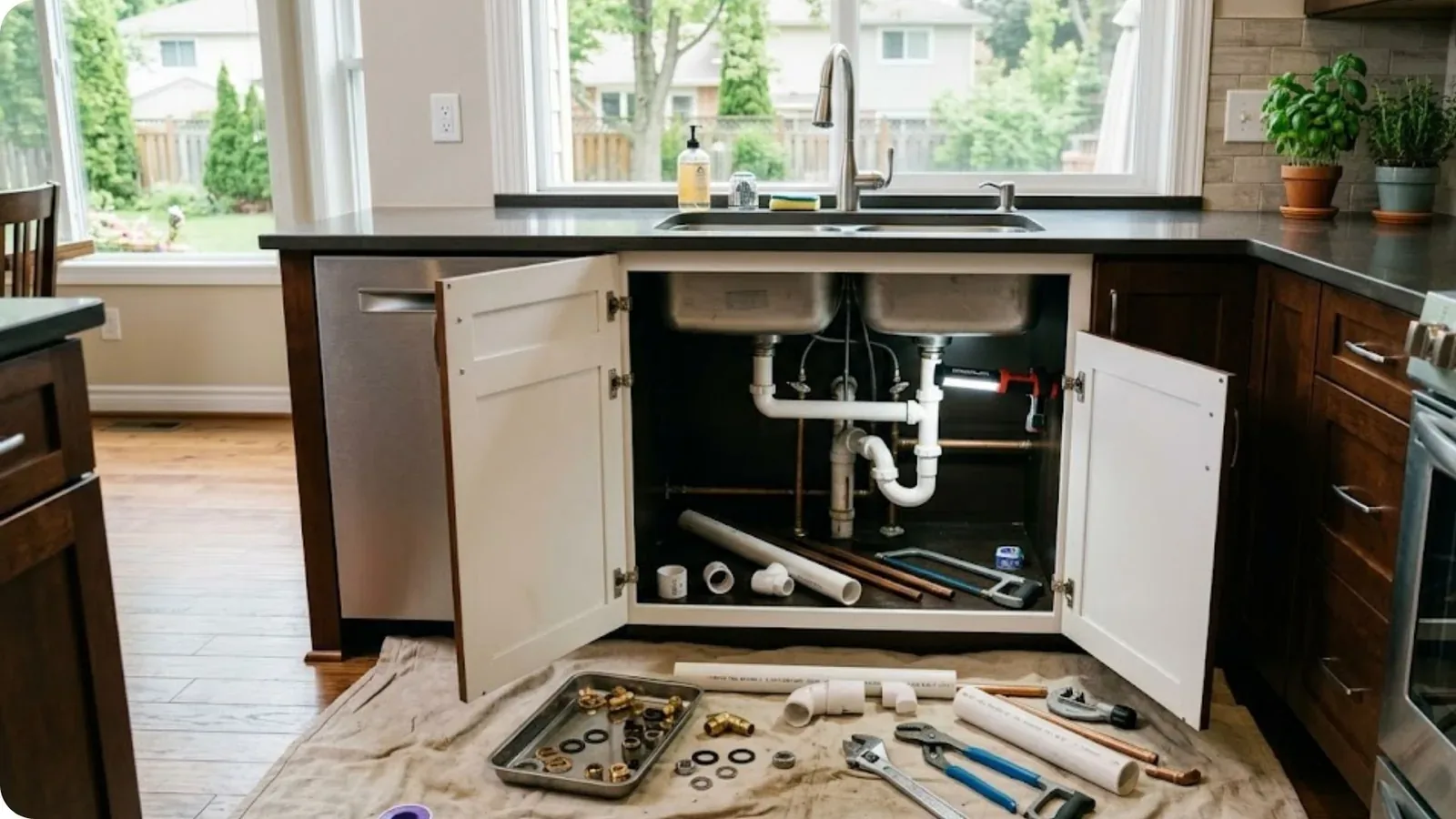
Calling in and judging urgency
What happens when you call, and what questions will you be asked?
The dispatcher asks for your street address and ZIP code, then what is happening: where the water is, whether it has been shut off and what the heater or drain is doing. Expect questions about gas or electric, how long it has been going on and whether you can reach the main valve. Next the dispatcher checks if a plumber can get to the address and names a time frame. Keep your phone number and any model name or error code handy.
Can it wait until morning? How do I judge urgency?
Call right away for water you cannot stop, sewage backing up into the home, no water at any tap or water near electrical panels. A gas smell is a 911 and gas supplier call from outside first. A slow drip, a slow drain or a running toilet whose valve you have closed can usually wait for a scheduled visit. If you are unsure, phone in and describe the problem; the dispatcher will tell you which way to go.
The steps for the first minutes of a leak sit on the Camp Verde plumber home page.
Telling problems apart and choosing a fix
Is it a leak, a clog or a pressure problem?
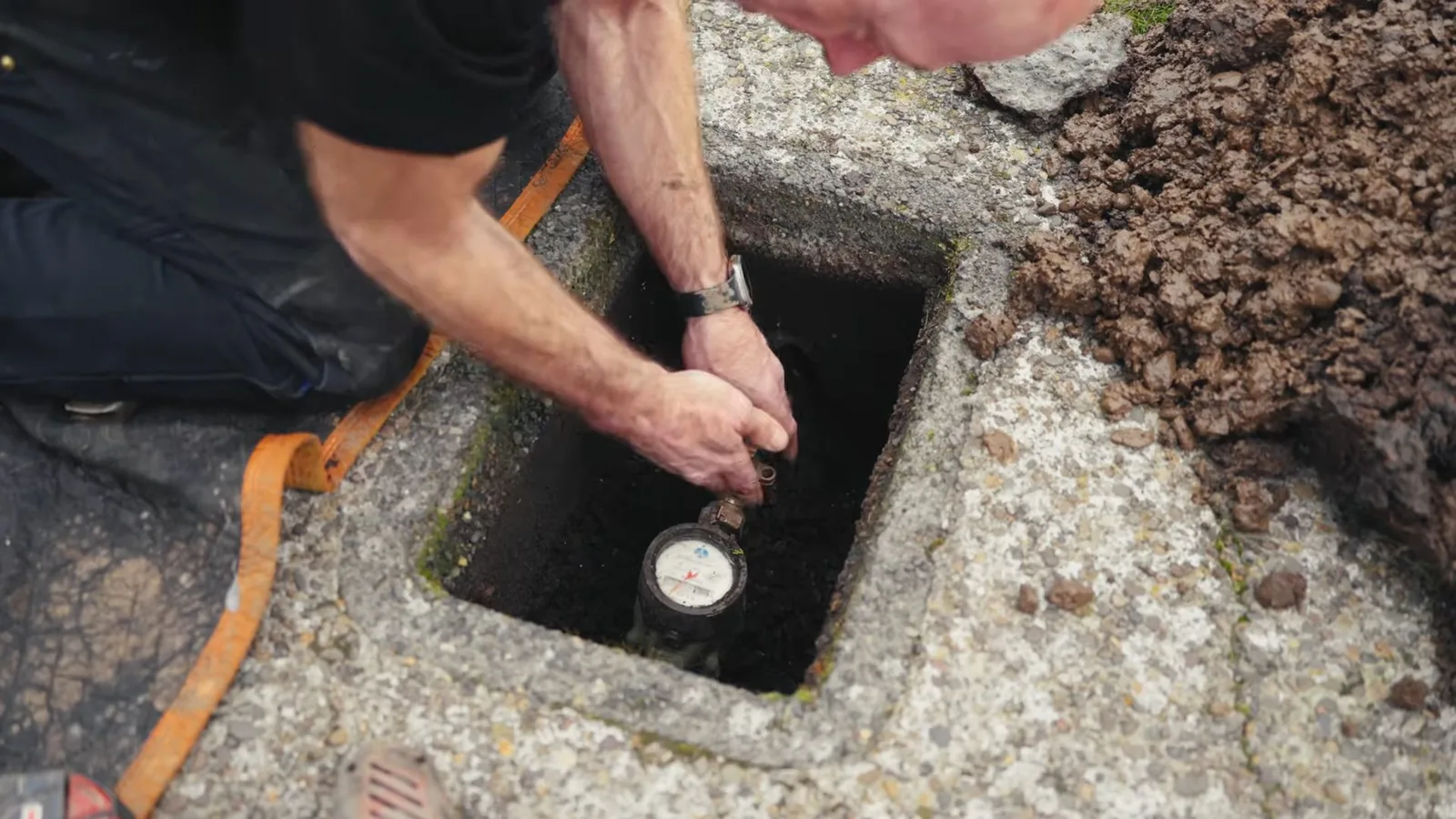
Test it. A leak shows up as a water meter that moves with every fixture off, a damp spot or a bill that jumped. A clog affects one drain or a group of drains, with water draining slowly or backing up. A pressure problem shows in the water at the taps, weak or forceful, across the house. A pressure regulator valve ships set to 50 PSI, per the Town's water quality report, so have yours read before assuming a leak.
How do I choose between a repair and a replacement?
Repair when a single part has failed and the rest is sound. Replace when the body itself has failed, such as a tank leaking at its seam or a cracked toilet, or when the same item keeps failing. Ask the plumber to price both and to say what is likely to fail next. Water heaters, fixtures and pipe each have their own page with the signs to look for.
When is a camera inspection worth doing?
It is worth doing when a drain clogs repeatedly, several drains back up together, a sewage odor appears or you are about to repair or buy a house with a sewer line. A small camera on a cable shows cracks, offsets, roots and buildup, so the repair targets the real problem. A single slow sink rarely needs one. Confirm first whether the home is on sewer or septic, since a septic tank is a separate service.
For the detail behind these answers, see deciding between a tank repair and a swap, what a camera shows in a sewer line and the meter test for hidden leaks.
Not sure how urgent it is?
Describe what you see and the dispatcher will say how to treat it.
Keeping pipes and heaters out of trouble
How often does a home need a plumbing inspection?
There is no single interval that fits every home, and no Camp Verde rule requiring one could be found. An inspection makes sense when you buy a house, after a hard freeze, after repeated leaks or clogs, or before a remodel. In one visit a plumber can check shutoff valves, visible pipe, the water heater and water pressure. Ask what is included before booking.
What is a good winter plumbing checklist for Camp Verde?
Winter is the season to prepare for. NOAA-based normals put December and January average lows near 25 to 26 degrees Fahrenheit, though a freeze is not an everyday event here. Disconnect and drain hoses, cover or insulate exposed hose bibs and outdoor or attic lines, find the main shutoff and test that it turns, and know which taps to open slightly on a very cold night.
What are common plumbing maintenance mistakes?
Ignoring small drips, never testing the main shutoff, pouring grease down the sink, flushing wipes and skipping the occasional water heater flush are the usual ones. Each lets a small problem grow into a repair. Another is waiting out a repeated clog or a gas smell instead of calling. A short walk-through of shutoffs, hoses and visible pipe catches most of it.
Freeze protection and burst pipes are covered on the frozen pipe and burst pipe page.
Who owns the pipe, and what your home type changes
Who is responsible for which pipe: the homeowner, the utility or an HOA?
It depends on who supplies water and sewer to your address, so ask them where their responsibility ends. Water may come from the Town Water Division, from one of the two private water companies named on the Town's own form, or from a private well. Sewer may be a Town sewer, a private system or septic. An HOA's rules sit on top of that, so check your documents. Pipes inside the house are usually the owner's concern.
How do mobile and manufactured homes differ for plumbing?
The layout differs. Supply and drain lines often run beneath the floor and the heater may sit in a closet or utility room, so access shapes the visit. The Town's 2023 profile counts 28 percent of its homes as manufactured. Tell the dispatcher what the home is and where the heater and lines are, and confirm what pipe it has before anyone quotes. Exposed lines under a home are among the first to freeze.
A question about your own pipes
Give the address and the symptom, and the dispatcher will point you to the right visit.
Permits and the office that covers your address
Who pulls permits for larger repairs and repipes?
Ask the plumber whether a permit applies and who pulls it, then confirm with the office for your address. Inside Camp Verde, that is the Town Building Safety Division at (928) 554-0050, open Monday through Thursday from 7 a.m. to 6 p.m.; no Town rule on water heaters or repipes could be found. Outside the Town, Yavapai County Development Services handles permits. Look up the contractor's license with the Arizona Registrar of Contractors before work starts.
Which county and municipal office has jurisdiction at my address?
Camp Verde addresses go to the Town Building Safety Division. Rimrock and Cornville are unincorporated, so they go to Yavapai County Development Services. Cottonwood addresses go to City of Cottonwood Community Development, and Sedona city parcels to City of Sedona Community Development; Sedona sits in Yavapai and Coconino counties, so a parcel outside the city may belong to either county. Tribal land is outside Town and county permits. Call the office before work begins.
| Address | Office and address | Phone and hours |
|---|---|---|
| Camp Verde (Town limits) | Building Safety, Town of Camp Verde, 473 S Main St, Ste 108 | (928) 554-0050, Mon to Thu, 7 a.m. to 6 p.m. |
| Rimrock, Cornville (unincorporated) | Yavapai County Development Services, Cottonwood office, 10 S. 6th Street | (928) 639-8151, permit technicians Mon to Fri, 7 a.m. to 5 p.m. |
| Cottonwood | Community Development, City of Cottonwood, 111 N Main St | (928) 634-5505, Mon to Thu |
| Sedona (city parcels) | City of Sedona Community Development, 102 Roadrunner Dr. | (928) 282-1154; other parcels go to Yavapai or Coconino County |
Before any digging
Arizona requires notice to Arizona 811 at least two working days before excavation. The number is 811, or 800-782-5348.
Sources: Town Building Safety page, Yavapai County permit pages and Arizona 811, rechecked 2026-11-02; City pages as read 2026-11-01.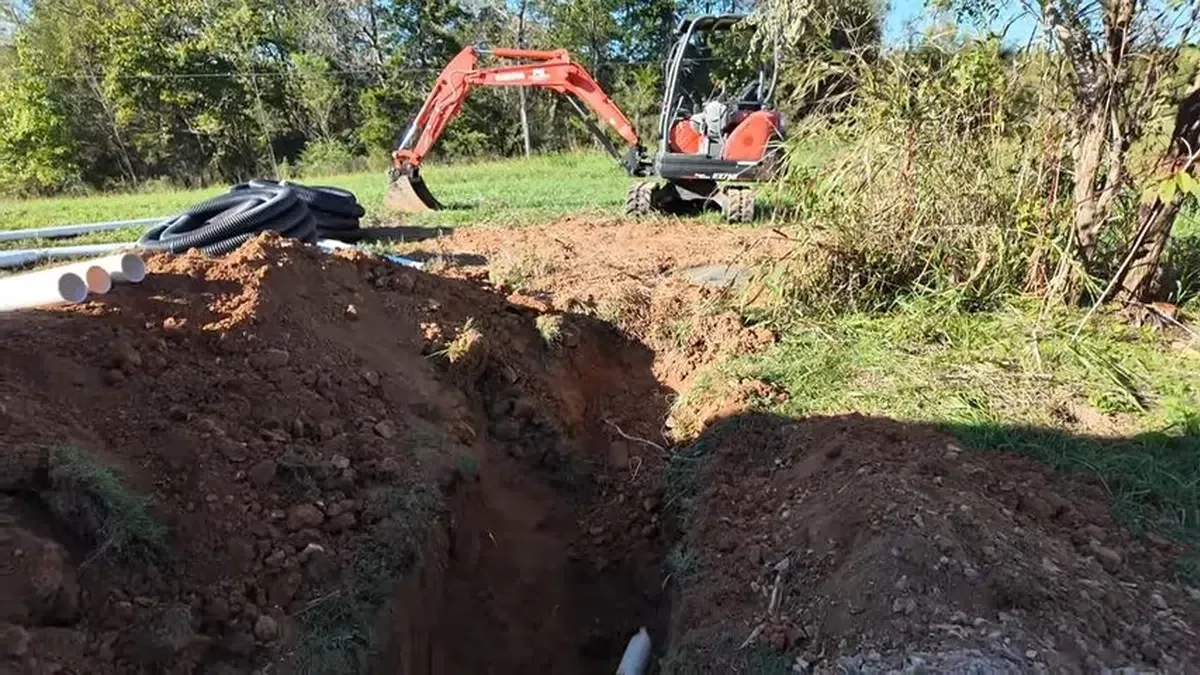
- Licensed and insured plumbers
- Same-day service when available
- 24/7 emergency dispatch
Get a plumber on the phone
Call, and the dispatcher will confirm availability for your address.