 Camp Verde AZ Experts Plumbers
Old Tank Failing? Water Heater Replacement and Installation in Camp Verde
A tank that leaks from its seam, trips out repeatedly or has outlived its repairs needs replacing, not another patch. The first call settles a few things: gas or electric, how many people use hot water at once, and where the heater sits. Those answers shape the visit before the plumber arrives at your door.
Call now, 24/7 See all 15 services
- Licensed and insured plumbers
- Same-day service when available
- 24/7 emergency dispatch
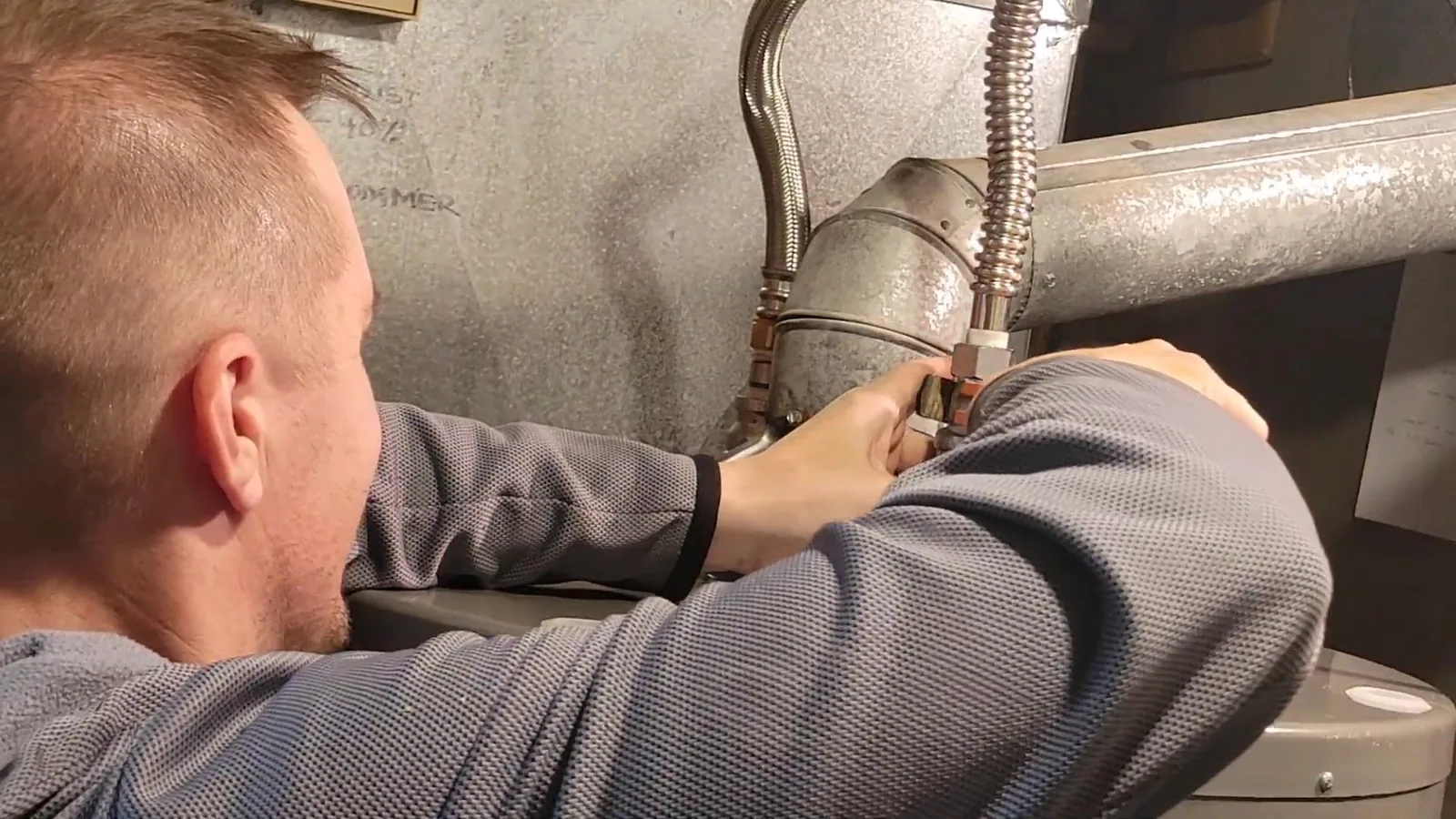
When a water heater has to be replaced instead of repaired
Some failures cannot be repaired. A tank that weeps from the body or the bottom seam has lost its steel, and no part swap holds it. Rust-colored water at the hot tap, repeated element or burner failures and a heater far past the age on its data plate all point the same way.
Before the visit, find the data plate on the side of the tank and read the model number, capacity and manufacture date to the dispatcher. If the repair history is short and the tank is sound, the water heater repair page covers what a plumber can fix instead.
Replacement is also the right moment to settle gas versus electric, tank size and whether a different type of unit makes sense, so the decision is made once rather than at the next failure.
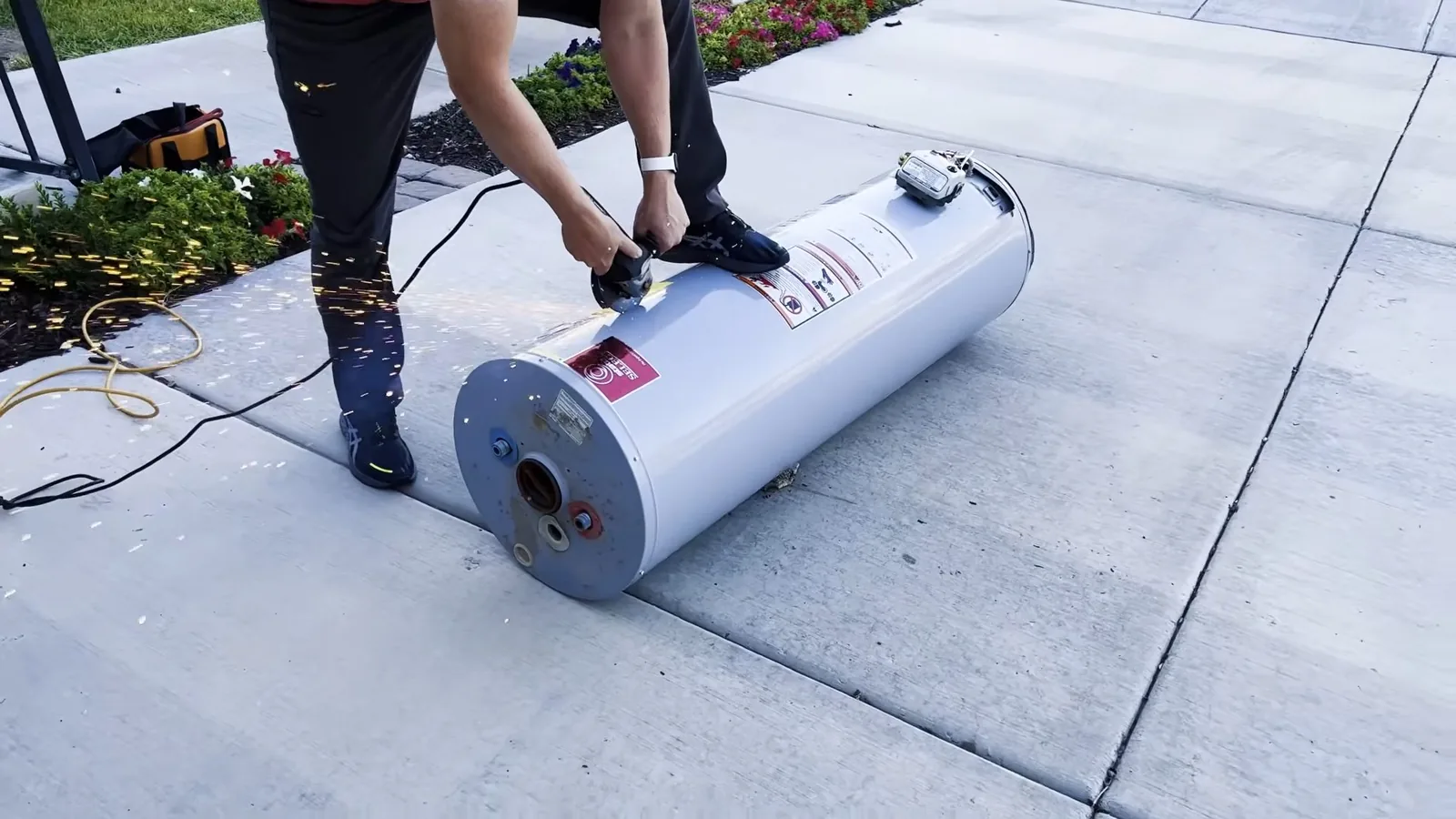
What a tank installation visit involves
- Shut off the cold supply, then the power or gas, and drain the old tank to a safe spot.
- Disconnect the water lines, vent and fuel or electrical feed, and haul the old unit out.
- Set the new tank on a level, protected base in a pan where the space calls for one.
- Connect hot and cold lines, the relief valve with its discharge pipe, and the vent or circuit.
- Fill the tank, bleed air at a hot tap, then test for leaks, light the burner or restore power and set the temperature.
Plan on the home having no hot water for the duration. Clear a path to the heater, move stored items away, and tell the plumber about any step, narrow doorway or attic access in the way.
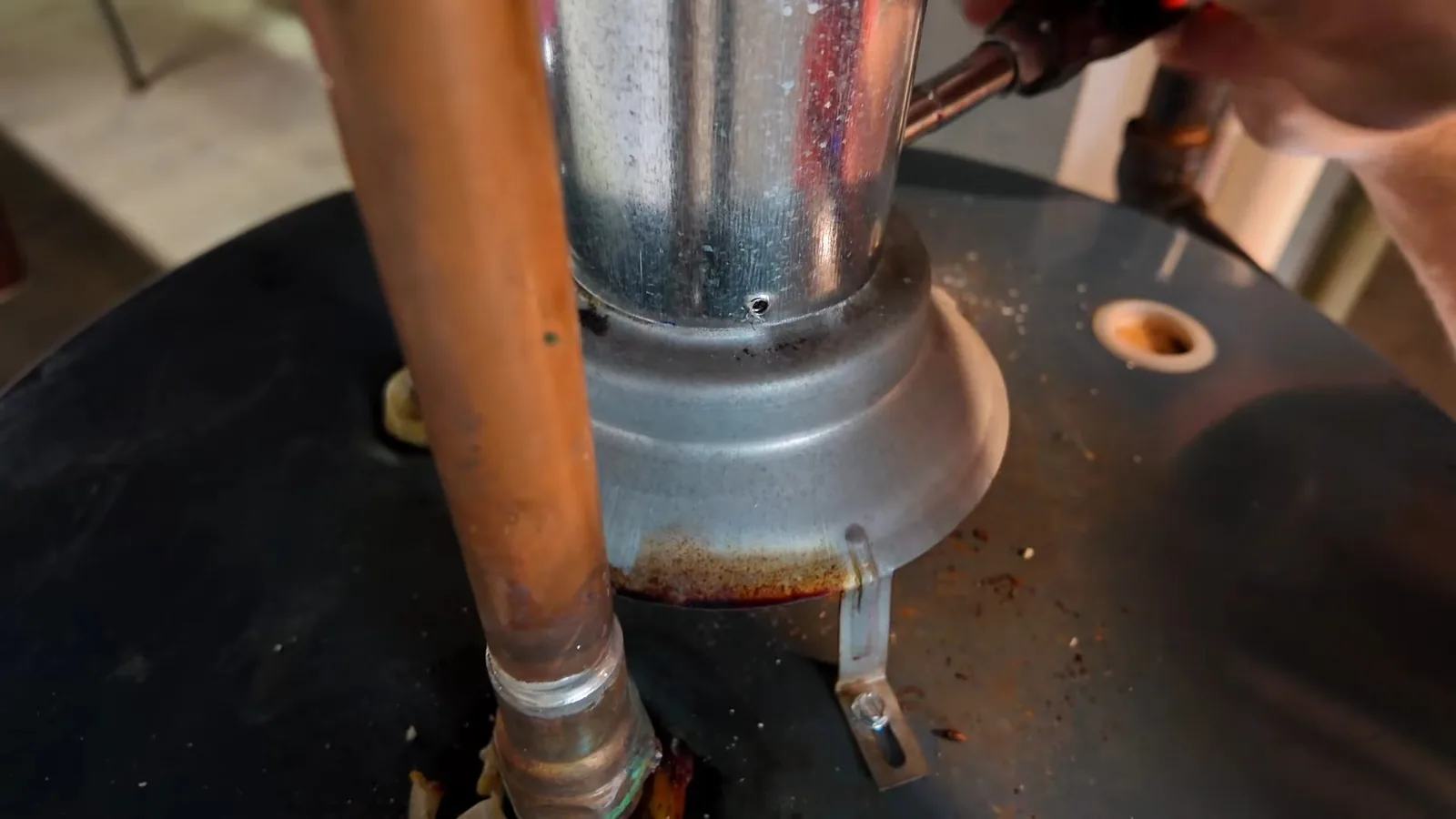
Tank leaking right now?
Shut the cold supply to the tank, cut the power or gas, and call. Tell dispatch what the water is doing.
Gas, electric, hybrid and heat pump tanks compared
The fuel decides most of the installation work. In Camp Verde fuel is a property choice, not a given: the Town's own zoning clearance form lists propane, natural gas and all-electric. Check which your home has before anyone quotes a swap.
| Type | What it needs | Installation notes |
|---|---|---|
| Gas tank | Natural gas or propane supply, gas shutoff, vent to the outside | Venting and the gas connection are the main checks; see gas line work for new connections |
| Electric tank | A dedicated circuit and breaker of the right size | Simplest swap when the circuit is already there; no vent |
| Hybrid or heat pump | Circuit, floor space, air around the unit and a condensate drain | Draws heat from surrounding air, so placement matters |
| Under-sink or point-of-use | Small electric unit near one fixture | Adds hot water at one spot; does not replace a main heater |
If a gas heater gives off a gas odor, that is a utility and 911 matter first. The plumber's visit follows.
Choosing an installer and sizing the new tank
Ask any installer or plumbing company for a contractor license number, then check it on the Registrar of Contractors website before work begins. A Town business license is also required inside Town limits. Ask whether the quote includes the expansion tank, the relief valve discharge pipe and disposal of the old tank, because those items are easy to leave out.
Capacity follows how people use hot water, not the size of the house. A household that showers back to back wants more gallons than one that spreads use through the day, and a tankless unit is a different choice again. If you are weighing that, read tankless alternatives before deciding.
Ask the plumber to put capacity, fuel, vent route and the removal of the old tank in writing, so the quote covers everything above.
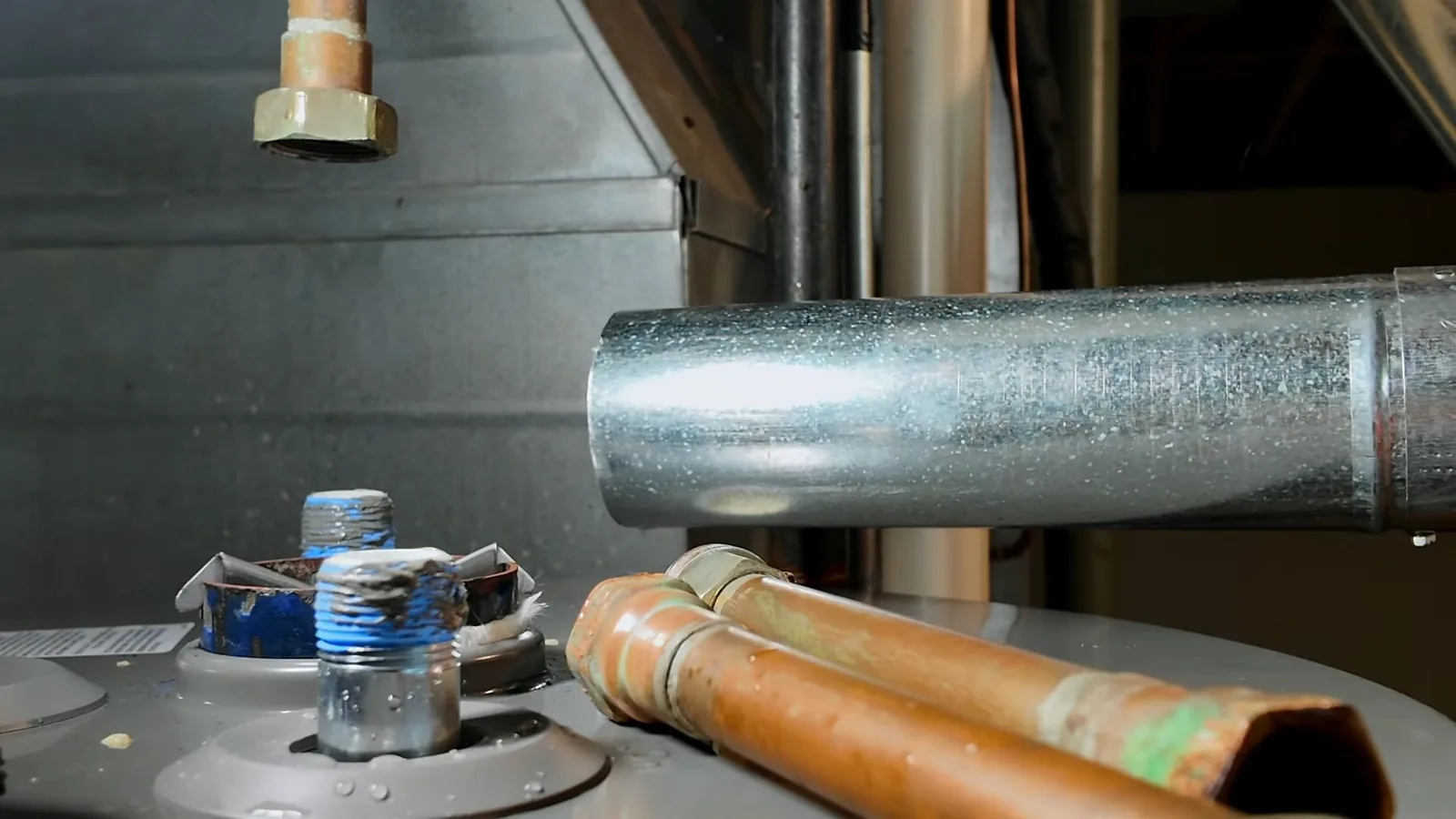
Pricing out a new water heater
Give the fuel type and capacity from the data plate and the dispatcher can route the visit.
Expansion tanks, permits and code questions
A closed plumbing system has nowhere to send the extra volume when water heats and expands. An expansion tank takes up that volume, and a temperature and pressure relief valve with a proper discharge pipe is the last safeguard. Your pressure and any existing check valve decide whether a tank is needed, so ask the plumber to read both.
Regulator settings matter too: the Town report cites 50 PSI as the factory setting on a pressure regulator valve, so have the plumber read yours. A drifted regulator can push pressure beyond what a heater should see.
Permit questions go to the Town
Building Safety, the Town of Camp Verde permit desk, sits at 473 S. Main St., Suite 108 and answers at 928-554-0050. Call with your address and the work planned. A published rule for water heater swaps was not found, so a call is how you learn whether a permit applies.
Homes in Rimrock or Cornville fall under Yavapai County Development Services instead.
Source: Town Building Safety page and county pages, read 2026-11-01.Quick answers before you call
- Same day: dispatch confirms what is open when you phone; say whether the tank is actively leaking.
- Tank versus tankless: tankless trades the stored volume for a larger gas or electrical load, which is its own page.
- Small units: an under-sink heater serves one sink and can sit beside a main tank.
- Old tank removal: confirm the plumber is taking the old unit away and ask whether that is in the quote.
Water heater replacement questions
Should I choose a gas, electric, hybrid or heat pump water heater?
Start with what the house already has: a gas line or propane tank, a 240-volt circuit, or neither. Switching fuel adds work, because gas needs a supply and vent while a heat pump unit needs a circuit, floor space and a drain for condensate. Ask the plumber to price keeping the same fuel and switching, so you can compare.
Do I need a plumber for water heater installation?
A new heater joins water, a fuel or electrical supply, venting and a relief valve with a drain. A mistake with any of them can leak, scald or leave exhaust gas indoors. A licensed plumber handles the plumbing and gas side, and the Town Building Safety office can tell you whether a permit applies to your address.
My electric water heater is leaking. Does it need to be replaced?
It depends on where the water is coming from. A loose supply fitting, a dripping relief valve or a bad drain valve can be repaired. Water leaking from the tank body means the steel has failed, and replacement is the only fix. Shut off the cold supply to the tank and the power to the heater while you wait.
Can a burst pipe under the house show up after a water heater replacement?
It can, if a fitting was left loose or a pipe was strained during the swap. Shut off the main water valve, then call the installer back and tell them it began after the new heater went in. Wet soil or insulation under a floor is a sign to bring in drying help as well.
What should I do if the water heater floods the area?
Turn off the cold water supply to the tank and the power or gas to the heater, then call. Keep people away from standing water near outlets. Once the leak is stopped, the tank can be drained and replaced, and wet flooring or drywall should be dried quickly so it does not spread.
- Licensed and insured plumbers
- Same-day service when available
- 24/7 emergency dispatch
Replacement across the Verde Valley
Name your area and the heater type; dispatch will confirm timing for your address.